Solar Attic Fan Bluework: A Designer’s Review
As an embroidery designer who spends countless hours digitizing and testing files for boutique apparel, I have learned that not every design translates well from the screen to the hoop. When I first encountered Solar Attic Fan Bluework on Creative Fabrica, my initial reaction was one of cautious curiosity. The term "bluework" immediately signals a specific aesthetic—clean, monochromatic, and reminiscent of traditional Delftware or classic porcelain patterns. For those of us running small clothing brands or Etsy shops, finding a design that balances artistic flair with commercial viability is the holy grail.
This review breaks down how this particular machine embroidery design performs when applied to real-world garments. I am looking at it through the lens of a creator preparing a new collection of sweatshirts and hoodies, focusing on visual impact, technical execution, and brand value.
Visual Personality and Stitching Mood
The first thing that strikes you about Solar Attic Fan Bluework is its decorative strength. It does not scream for attention with neon colors or chaotic shapes; instead, it offers a refined, premium feel. The bluework style inherently feels classic yet trendy, fitting perfectly into the current market demand for minimalist and rustic aesthetics. Because the design relies on tonal variation rather than a rainbow of threads, it exudes a sense of calm sophistication.
In the context of House and home decor categories, this design might seem out of place if you are looking for loud, playful motifs. However, for apparel, this restraint is a massive advantage. It allows the texture of the stitch to take center stage. The mood is feminine but not overly delicate, making it versatile enough for various demographics. Whether you are targeting customers who love cozy seasonal outfits or those seeking everyday elevated basics, this design bridges the gap between cute and bold.
Applying the Design to Boutique Apparel
Imagine you are curating a line of neutral sweatshirts and pastel hoodies. This is where Solar Attic Fan Bluework truly shines. On a cream or oatmeal-colored fleece hoodie, a navy or slate blue thread creates a striking contrast that looks expensive and intentional. I envision placing this design on the left chest for a subtle branding effect or scaling it up for a central back design on an oversized garment.
- Sweatshirt Embroidery: The density of bluework styles usually provides excellent coverage, which is ideal for the textured surface of fleece. It prevents the fabric from showing through, ensuring a solid, professional look.
- Hoodie Chest Placement: For a standard chest placement, the intricate details of the fan motif add a focal point without overwhelming the garment. It elevates a basic hoodie into a custom apparel piece.
- Tote Bag Design: Beyond clothing, this design works beautifully on canvas tote bags. The sturdy fabric holds the stitches well, and the classic blue-on-white or blue-on-natural aesthetic appeals to eco-conscious shoppers.
- Denim Jackets: Imagine this embroidered on the back yoke of a light-wash denim jacket. The blue tones harmonize with the denim, creating a tonal, sophisticated look that stands out in lifestyle product photos.
For Etsy sellers and creative entrepreneurs, versatility is key. This design can be marketed across multiple categories. It fits seamlessly into collections focused on cottagecore, modern farmhouse, or minimalist chic. When creating printable mockups for your online store, the clean lines of the design render beautifully, helping potential buyers visualize the finished product clearly.
Technical Considerations for Embroiderers
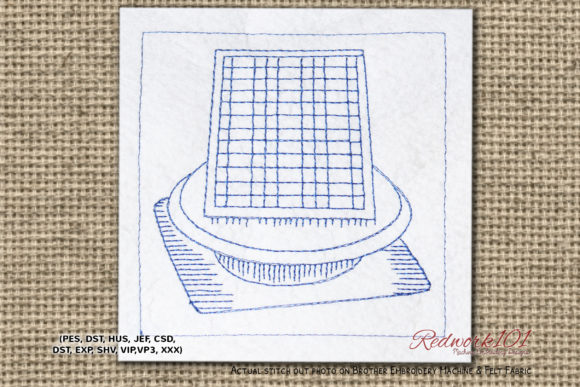
While the aesthetic appeal is high, practical application requires careful attention to detail. As noted in the product description, "The Box Stitch shown in the picture is optional." This is a crucial detail for production. If you are embroidering on stretchy fabric like jersey t-shirts or ribbed cuffs, you must decide whether that outer box adds structural integrity or unnecessary bulk. In most cases, for apparel, I would recommend omitting non-essential border stitches to maintain the softness of the garment.
Furthermore, the description mentions that "The color of the outer box is a different color in most of the designs unless it is part of the design itself." This implies that color separation and thread changes are significant factors. Before starting your production run, you must check the embroidery file details. Confirm the number of stops and color changes. For a small shop product, efficiency matters. A design with excessive thread changes can increase production time and the risk of errors.
Fabric and Stabilizer Choices
When working with Solar Attic Fan Bluework, your choice of stabilizer is critical. Bluework designs often feature dense stitching. On lightweight fabrics, this can cause puckering. Always test on scrap fabric first. For sweatshirts and hoodies, a cut-away stabilizer is generally recommended to support the weight of the stitches over time. For woven fabrics like denim or tote bags, a tear-away might suffice, but always consider the stitch density.
Be cautious with curved surfaces. If you plan to place this on a sleeve or a curved seam, ensure your hooping technique is flawless. The design’s intricate nature means that any distortion in the fabric will be visible in the final stitch-out. Additionally, verify the hoop size required. While specific dimensions are not provided in the brief description, bluework patterns can vary. Ensure your machine’s hoop capacity accommodates the design without resizing, which can distort the aspect ratio and ruin the visual balance.
Enhancing Brand Identity and Value
Using a distinctive design like Solar Attic Fan Bluework can significantly affect your brand identity. In a saturated market, consistency and quality build buyer trust. When customers see a well-executed, intricate embroidery piece, they perceive higher value. This design contributes to professional presentation, making your commercial embroidery products stand out against cheaper, printed alternatives.
Visual consistency is another benefit. If you use this design across a collection—perhaps in different sizes or slight color variations—it creates a recognizable signature for your boutique brand. Social media graphics featuring close-ups of the stitch texture can drive engagement, as viewers appreciate the craftsmanship involved in handmade products.
Final Designer Notes
Before integrating Solar Attic Fan Bluework into your inventory, take these final steps:
- Confirm Licensing: Always review the Creative Fabrica product details and licensing terms. Ensure you have the right to sell finished apparel featuring this design.
- Check File Formats: Verify that the download includes the format compatible with your embroidery machine. The description does not list specific formats, so this confirmation is essential before purchase.
- Test Thread Colors: Experiment with different shades of blue. A dark navy offers high contrast, while a sky blue provides a softer, more subtle look. Match your thread choices to your seasonal palette.
- Inspect Stitch Density: Run a test stitch-out to check for thread breaks or nesting. Adjust tension if necessary, especially if using metallic or specialty threads.
In conclusion, Solar Attic Fan Bluework is a compelling addition to any embroidery designer’s library. It offers a blend of classic elegance and modern simplicity that resonates with today’s apparel market. By paying attention to technical details and leveraging its visual strengths, you can create stunning, high-value pieces for your shop. Whether for a cozy winter hoodie or a spring tote bag, this design has the potential to become a staple in your digital embroidery file collection.