Angel: A Designer’s Review for Holiday Collections
As we approach the busiest season in the handmade market, every decision regarding our digital inventory matters. I recently reviewed Angel, a machine embroidery design that promises to be a versatile addition to seasonal product lines. For those of us running small shops or managing Etsy seller accounts, finding designs that balance aesthetic appeal with technical reliability is crucial. This review explores how this specific embroidery file performs when applied to real-world holiday products, from baby clothes to home textiles.
First Impressions: Mood and Aesthetic Appeal
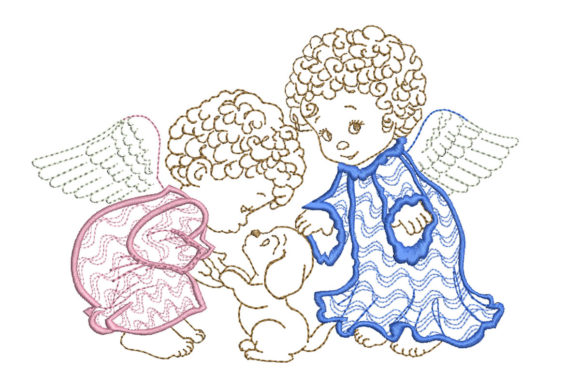
The first thing that strikes you about Angel is its simplicity. In a market often saturated with overly complex, high-density patterns, this design offers a refreshing sense of calm. It carries a gentle, spiritual tone that feels both nostalgic and modern. The lines are clean, suggesting a decorative style that is cute without being childish, making it suitable for a wide demographic. While categorized under Boys, the neutral elegance of the motif allows it to transcend strict gender boundaries, fitting seamlessly into collections for girls or gender-neutral baby items.
The emotional resonance of this design is particularly strong for the holiday season. It evokes feelings of peace, protection, and warmth. For customers seeking a handmade gift that conveys sincere well-wishes, this visual language is powerful. It does not scream for attention; rather, it invites a closer look, which is exactly what you want for premium, personalized gift items. The lack of excessive detail means it avoids looking cluttered, maintaining a sophisticated presence on finished products.
Strategic Placement in Seasonal Product Lines
When planning a seasonal embroidery collection, versatility is key. Angel excels here because it adapts well to various fabric textures and product types. Here is how I envision this design performing across different categories:
- Baby Clothes and Layettes: This is perhaps the strongest use case. The simple nature of the embroidery ensures comfort against sensitive skin. It looks exceptional on onesies, receiving blankets, and bibs. For holiday baby showers, this creates an immediate emotional connection with buyers looking for meaningful, personalized gifts.
- Sweatshirt Embroidery: Placed on the left chest or centered on a crewneck, this design adds a subtle festive touch to adult and children's apparel. It works beautifully for family matching sets, a huge trend during Christmas and Easter. The simplicity ensures it does not overpower the garment’s silhouette.
- Home Textiles and Kitchen Towel Embroidery: Imagine this stitched onto linen tea towels or cotton napkins. It adds a touch of elegance to holiday table settings. Because the design is not overly dense, it lays flat and does not cause the fabric to pucker excessively, which is vital for items that will be washed and ironed frequently.
- Tote Bag Design and Pillows: For canvas tote bags or cushion covers, the design serves as a focal point. It pairs well with minimalist decor trends. A pillow cover featuring this motif can become a cherished heirloom piece, rotating from holiday decor to year-round nursery decor.
- Embroidered Patches: If your shop sells accessories, consider stitching this onto felt or twill backings to create iron-on patches. These are excellent impulse buys at craft fairs and allow customers to customize their own jackets or bags.
Technical Considerations for the Embroiderer
While the visual appeal is high, practical execution requires attention to detail. As an experienced designer, I always advise checking the specific technical specs of any digital embroidery file before launching a product line. Since the product description notes that the design comes with multiple formats, you likely have options for different hoop sizes. However, you must confirm the exact hoop size compatibility with your machine.
Stitch density is another critical factor. Simple designs can sometimes be deceptively tricky if the density is too low, leading to gaps, or too high, causing stiffness. I recommend running test stitches on scrap fabric similar to your final product. Pay close attention to how the thread colors interact with the fabric texture. For instance, metallic thread can add a magical, festive shimmer to the angel wings or halo, but it may require slower stitching speeds and a specialized needle to prevent breakage.
Stabilizer choice is non-negotiable for professional results. For stretchy garments like T-shirts or sweatshirts, use a cut-away stabilizer to maintain shape after washing. For woven home textiles like kitchen towels or pillow covers, a tear-away stabilizer is usually sufficient. Always test your tension settings, especially if you are using slippery or thick fabrics.
Navigating Challenges in Production
There are scenarios where Angel should be used with caution. If you are working with very small hoop sizes, ensure that the fine details of the design do not get lost. Tiny lettering or intricate curves can merge if the stitch count is too high for the scale. Additionally, be mindful when stitching on dark fabrics. If the design relies on light thread colors, you may need to use an underlay or a backing fabric to prevent the dark material from showing through the stitches, which can diminish the crispness of the image.
Curved surfaces, such as caps, present another challenge. The design’s geometry must align with the curve of the hat to avoid distortion. If you are new to cap embroidery, practice on dummy caps before committing to customer orders. Furthermore, for items that undergo repeated washing, such as baby clothes and kitchen towels, ensure your thread quality is high and colorfast. A faded or frayed design can lead to negative reviews and damage your brand consistency.
Maximizing Sales and Customer Engagement
From a marketing perspective, Angel offers excellent opportunities for visual storytelling. When creating listings for your small shop product range, use high-quality printable mockups that show the design in context. Show the embroidery on a cozy knit sweater next to hot cocoa, or on a baby blanket in a softly lit nursery. These lifestyle images help buyers visualize the emotional benefit of the purchase.
This design is ideal for creating gift bundles. Pair a sweatshirt with a matching tote bag, or a set of kitchen towels with an apron. Bundling increases the average order value and positions your items as convenient solutions for holiday shoppers. Use terms like "holiday embroidery" and "seasonal embroidery" in your tags and descriptions to capture search traffic from buyers specifically looking for festive, handmade items.
Trust is built on consistency. By delivering a clean, well-executed finished product, you encourage repeat business. Encourage customers to share photos of their personalized gifts on social media. User-generated content featuring your embroidery work serves as powerful social proof, attracting new customers who value quality and craftsmanship.
Final Verdict for Shop Owners
In conclusion, Angel is a strong contender for any embroidery designer’s seasonal toolkit. Its beauty lies in its simplicity and emotional resonance. It is not just a pattern; it is a vehicle for conveying care and tradition. Whether you are an Etsy seller looking to expand your boys' collection or a crafter focusing on home decor, this design offers flexibility and charm.
Before adding it to your commercial embroidery lineup, remember to verify the license terms to ensure you are compliant for selling finished goods. Check the stitch density, test your thread colors on both light and dark fabric, and choose the right stabilizer for each application. With careful execution, this design can become a staple in your holiday offerings, bringing joy to your customers and stability to your sales figures. Embrace the season with designs that speak to the heart, and let Angel be the centerpiece of your next successful collection.