Artistic Hot Air Balloon: A Designer’s Review
When I first loaded the Artistic Hot Air Balloon into my digitizing software, I wasn’t just looking at a file; I was evaluating a potential bestseller for my small shop. As an experienced embroidery product reviewer and designer, I approach every new machine embroidery design with a critical eye. It is not enough for a pattern to look cute on a screen. It must hold up under the needle, survive the wash, and appeal to the end customer. This particular design, categorized loosely under Games due to its playful, adventurous theme, immediately struck me as a versatile asset for any creative entrepreneur.
First Impressions and Visual Mood
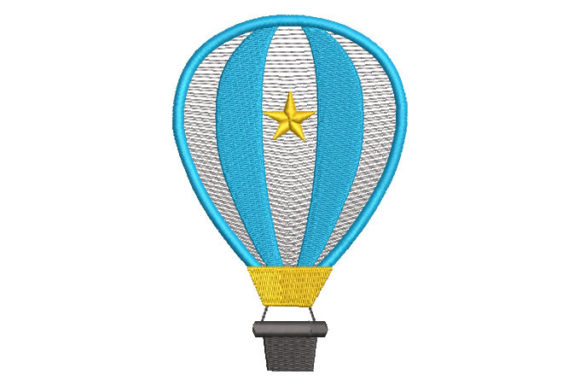
The immediate mood of the Artistic Hot Air Balloon is one of whimsical adventure. The layout balances organic curves with structured detailing, creating a visual personality that feels both nostalgic and modern. For those of us who sell handmade products, mood is everything. This design does not scream for attention with aggressive density; instead, it invites the viewer in with a sense of calm exploration. The shape is distinct, ensuring that even from a distance, the motif is recognizable. This clarity is crucial for embroidered patch applications or when placed on busy fabrics where detail might get lost.
I appreciated the balance between open space and stitched areas. Too many modern designs suffer from over-digitizing, where every pixel is filled with thread. Here, the use of negative space allows the fabric texture to breathe. This makes the design feel lighter and more premium, rather than stiff and cardboard-like. For a custom apparel project, this breathability is a significant advantage, especially on softer materials like cotton blends or fleece.
Real-World Application: The Tote Bag Test
To truly understand how an embroidery file performs, you have to stitch it out. I recently prepared a batch of canvas tote bags for a local craft fair. These bags are popular items for Etsy sellers and boutique owners because they are practical and offer a large, flat surface for decoration. I chose the Artistic Hot Air Balloon for a limited run of "Wanderlust" themed bags.
The stitching process was surprisingly smooth. The design utilizes a mix of satin stitch for the outlines and basket details, and fill stitch for the balloon body. On the heavy canvas, the fill stitch provided excellent coverage without pulling the fabric excessively. I used a medium-weight cut-away stabilizer to ensure the hoop marks did not remain visible after removal. The result was a crisp, clean image that looked professional enough for retail pricing. Customers at the fair were drawn to the vibrant thread colors and the storytelling aspect of the balloon. It transformed a simple utility item into a personalized gift worthy of gifting.
Versatility Across Product Lines
Beyond tote bags, this design shines in several other categories. For sweatshirt embroidery, the scale of the balloon works well on the left chest or as a larger back piece. The rounded edges of the balloon mean there are no sharp corners to snag or unravel, which is a common issue with poorly digitized geometric shapes. This durability makes it ideal for items that see frequent use, such as jackets and hoodies.
For baby embroidery, the soft, floating nature of the hot air balloon is perfect for nursery decor or baby blankets. However, caution is needed here. When working with delicate fabrics, you must adjust your tension and use a softer stabilizer to prevent puckering. The design’s simplicity allows it to be scaled down for baby caps without losing its essential character, provided you check the minimum hoop size requirements in your machine settings.
Technical Considerations for Designers
While the Artistic Hot Air Balloon is described as fun and easy to stitch, no design is universally foolproof. Here are some practical notes for fellow designers and makers:
- Fabric Choice: This design performs best on stable woven fabrics like cotton, denim, or canvas. On stretchy knits, ensure you use a proper stabilizer to prevent distortion of the balloon’s round shape.
- Thread Contrast: Because the design relies on clear shapes, high contrast between the thread and the fabric is key. On dark fabrics, consider using a lighter underlay or testing a white outline to make the balloon pop.
- Stitch Density: Always review the stitch density before running a full production batch. If the fill areas are too dense for your specific thread type, you may experience thread breaks. A test stitch on scrap fabric is non-negotiable.
- Small Details: Inspect the smaller elements, such as the basket weave or ropes. On very small hoop sizes, these details might merge. If you are creating a tiny embroidered patch, you might need to simplify the color palette to maintain clarity.
Commercial Viability and Branding
For craft business owners, the value of a design lies in its ability to enhance brand consistency. The Artistic Hot Air Balloon fits seamlessly into brands that focus on travel, childhood wonder, or outdoor lifestyles. It is not just a decorative element; it is a branding tool. When used consistently across digital embroidery file previews and physical finished product shots, it builds recognition.
Moreover, the design’s adaptability makes it a strong candidate for commercial embroidery projects. Whether you are creating uniform patches for a summer camp or custom gifts for a travel agency, the theme is broadly appealing. It avoids niche trends that might date quickly, offering long-term value to your design assets library.
Final Verdict
In conclusion, the Artistic Hot Air Balloon is a robust choice for designers looking to add a touch of adventure to their portfolio. It bridges the gap between playful Games themes and sophisticated Embroidery art. By paying attention to fabric selection, stabilizer choice, and thread contrast, you can maximize its potential. Always confirm licensing terms before selling digital embroidery file derivatives or mass-produced items, but for most standard commercial uses, this design offers a reliable, high-quality foundation for your next embroidery project. It is a testament to the fact that good design is not just about what you see, but how it feels to create and own.