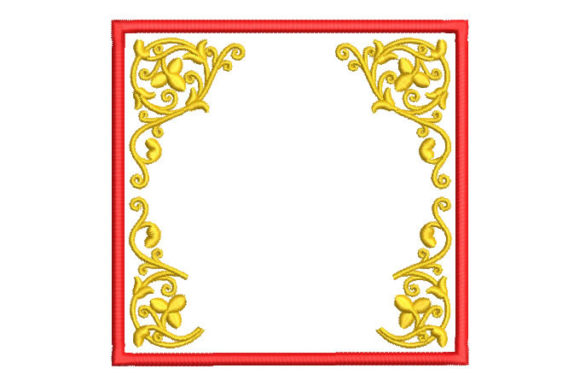
Flower Border Box: A Designer’s Review for Real Projects
As a designer who spends half my life digitizing and the other half stitching out tests, I have learned to look past the glossy preview images. We all know that what looks perfect on a screen can sometimes turn into a tangled mess of thread breaks and puckering on the fabric. When I first pulled up the Flower Border Box embroidery design, my initial reaction was one of cautious optimism. It promised versatility, claiming to work beautifully with any type of fabric, which is a bold statement in our industry. After reviewing its structure and considering its application in real-world scenarios, I want to share my practical insights on whether this machine embroidery design deserves a spot in your active project folder.
First Impressions and Visual Mood
The Flower Border Box immediately strikes a balance between decorative flair and structural integrity. Unlike some overly intricate floral patterns that rely heavily on dense fill stitch areas, this design appears to prioritize clean lines and open space. The mood it creates is organic yet contained, making it feel less like a rigid frame and more like a natural growth surrounding a central message or image. For an Etsy seller or a craft business owner, this visual personality is crucial. It does not scream for attention but rather invites the viewer to look closer, adding a layer of sophistication to the finished product.
The layout suggests a thoughtful approach to stitch density. In my experience, designs that attempt to cover too much ground often fail on textured fabrics. This border seems to respect the material it sits on, allowing the fabric texture to breathe through the gaps in the floral elements. This is particularly important if you are working with linen, canvas, or heavier cotton blends where the tactile quality of the material is part of the product’s appeal.
Real-World Application: The Tote Bag Test
To truly evaluate a design, I mentally place it on a specific product. Let’s consider a custom embroidered tote bag, a staple for many small shop products. I imagine using the Flower Border Box to frame a client’s monogram or a short inspirational quote. Because this is a borders category item, its primary function is containment and emphasis.
In this scenario, the design performs well because it provides a clear visual boundary without overwhelming the text inside. If I were producing this for a boutique branding project, I would likely choose a contrasting thread colors palette—perhaps a deep sage green or muted terracotta against a natural canvas. The result would be a handmade product that feels curated and high-end. Customers tend to trust designs that look intentional rather than slapped on, and this border offers that professional polish.
Versatility Across Product Lines
Beyond tote bags, the Flower Border Box shows promise in several other areas of commercial embroidery:
- Sweatshirt Embroidery: Placed on the chest or sleeve, it can frame a small logo or initial, adding a feminine touch to casual wear.
- Kitchen Towels and Aprons: The organic theme fits perfectly with home goods. It can border a pocket or the hem, turning a basic utility item into a personalized gift.
- Baby Embroidery: For nursery decor or baby blankets, the soft curves of the flowers create a gentle aesthetic. However, care must be taken with stabilizer choice to ensure the fabric does not pucker around the border.
- Holiday Embroidery: By simply changing the thread palette to reds, greens, or golds, this design can easily transition into seasonal merchandise, extending its value throughout the year.
Technical Considerations and Caution Areas
While the design is versatile, no single embroidery file is universal. There are specific situations where you need to proceed with caution. First, consider the hoop size. Since this is a border design, it likely requires a medium to large hoop to capture the full rectangular or square shape. If you are working with a small 4x4 inch hoop, you may need to check if the design can be split or if it fits within your constraints.
Secondly, pay attention to curved surfaces. If you plan to use this on a cap or a rounded pillow cover, the straight edges of the "box" might distort. Flat surfaces like tote bag design panels, apron fronts, or pillow covers are ideal. On stretchy fabrics, such as jersey knits used for t-shirts, the stability of the border is critical. Without proper cut-away stabilizer, the weight of the stitches could cause the fabric to sag over time.
Another point of concern is detail level on dark fabrics. If the design relies on fine running stitch outlines, these may get lost against black or navy materials. In such cases, increasing the stitch thickness or using a lighter thread color is essential to maintain stitching clarity. Always test the design on scrap fabric first, especially if you are new to working with the specific material your client has chosen.
Enhancing Brand Consistency and Value
For digital product sellers and creative entrepreneurs, the consistency of your design assets matters. Using a cohesive set of borders like the Flower Border Box helps build brand recognition. When customers see a consistent style across your printable mockup previews and actual finished product photos, it builds trust. It signals that you are a professional who cares about the details.
Moreover, this design can elevate the perceived value of simple items. A plain white tea towel becomes a luxury item when framed with elegant embroidery. This is the power of good design assets; they transform the mundane into the special. For handmade shop owners, this translates directly to higher price points and better customer engagement.
Practical Designer Notes
Before you commit to a large production run or list this as a key feature in your shop, keep these practical tips in mind:
- Check the License: The product description mentions it comes with multiple embroider options, but always confirm the licensing terms. Ensure you are allowed to use it for commercial embroidery if you plan to sell the physical items.
- Test Stitch Density: Run a test stitch-out on the exact fabric you intend to use. Look for any areas where the threads overlap excessively, which could lead to breakage.
- Contrast is Key: Use black and white mockups to check if the design holds its shape visually. If the border disappears in grayscale, it may lack sufficient contrast in real life.
- Stabilizer Selection: Match your stabilizer to the fabric weight. Heavier fabrics may need less support, while lightweight linens will require a firm tear-away or cut-away backing to prevent distortion.
- File Formats: Since the description notes multiple embroidery options, ensure you have the correct file format for your machine. Common formats include PES, DST, and JEF, but always verify compatibility.
In conclusion, the Flower Border Box is a solid addition to any designer’s library. It offers the flexibility needed for various embroidery projects, from custom apparel to home decor. By understanding its strengths and respecting its technical limitations, you can use it to create beautiful, marketable products that resonate with customers. It is not just a pattern; it is a tool for enhancing the storytelling of your handmade goods.