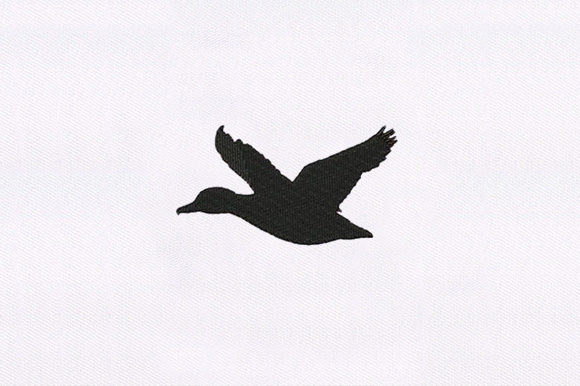
Mallard Bird: A Seasonal Embroidery Review
As an embroidery designer who spends countless hours digitizing and testing patterns for seasonal collections, I approach every new machine embroidery design with a critical eye. It is not just about whether the stitches look good on the screen; it is about how that design performs in the real world of holiday sales, gift-giving, and home decor. Recently, I reviewed the Mallard Bird design, and I am eager to share my insights on how this piece fits into a robust seasonal product line. For Etsy sellers, small shop owners, and handmade gift makers, understanding the nuance of wildlife-themed embroidery can be the difference between a stagnant listing and a bestseller.
First Impressions: Rustic Charm Meets Holiday Warmth
The first thing that strikes you about the Mallard Bird is its inherent versatility. While mallards are often associated with spring and summer wetlands, this design captures a rustic, cozy aesthetic that translates beautifully into autumn and winter collections. The emotional tone is nostalgic and grounded, evoking images of cabin retreats, lakeside holidays, and traditional family gatherings. It does not scream "holiday" in the way a snowflake or Santa Claus might, but it offers a sophisticated, nature-inspired alternative that appeals to buyers looking for understated elegance.
In terms of decorative style, the design balances detail with clarity. For a Birds category item, it avoids excessive complexity that could lead to thread breaks or poor registration on smaller hoops. Instead, it focuses on the iconic silhouette and plumage characteristics of the mallard, making it instantly recognizable. This level of detail is crucial for creating a premium feel in your finished product. Whether you are aiming for a playful vibe on children’s items or a more refined look for adult apparel, this design serves as a strong foundation.
Strategic Product Placement for Seasonal Sales
When planning a seasonal shop collection, context is everything. The Mallard Bird excels in several key product categories that dominate the holiday shopping period. Here is how I envision this design performing across different mediums:
- Sweatshirt Embroidery: Placed on the left chest or as a larger back piece, this design adds a touch of outdoorsy charm to hoodies and crewnecks. It pairs exceptionally well with earth tones like forest green, navy, and charcoal, which are staple colors for fall and winter apparel.
- Kitchen Towel Embroidery: Hostess gifts are a huge market during the holidays. Embroidering this bird on linen or cotton towels creates a rustic farmhouse aesthetic that is highly giftable. Ensure you use a appropriate stabilizer to prevent puckering on these lighter fabrics.
- Tote Bag Design: Canvas totes are practical and popular. The sturdy nature of canvas supports the stitch density of wildlife designs well, making the Mallard Bird stand out without sinking into the fabric texture.
- Pillow Cover: Home decor shifts toward cozy textures in colder months. An embroidered pillow featuring this bird can anchor a living room’s seasonal theme, appealing to buyers who want to refresh their space without overt Christmas motifs.
- Embroidered Patch: Patches are a low-risk, high-reward item for craft fairs. They allow customers to add a personal touch to jackets or bags later, increasing the perceived value of the handmade gift.
For those creating family matching items, consider pairing the mallard with complementary nature elements. This approach works wonders for social media previews and printable mockup graphics, where lifestyle imagery drives engagement. A father wearing a mallard sweatshirt and a child with a matching duckling design creates a narrative that resonates deeply with holiday shoppers looking for meaningful connections.
Navigating Technical Challenges and Fabric Choices
While the design is versatile, there are specific scenarios where caution is required. As an experienced designer, I always advise testing before committing to large production runs. Here are critical considerations for using this digital embroidery file:
Fabric Texture and Color: The intricate feather details of the mallard may get lost on dark fabrics if the thread contrast is not sufficient. I recommend test stitching on both light and dark fabrics to adjust your thread colors accordingly. On black or navy garments, consider using slightly lighter shades or adding a subtle underlay to make the design pop. Conversely, on thick towels, ensure your needle is sharp enough to penetrate the loops without causing excessive friction.
Hoop Size and Placement: Always confirm the hoop size compatibility before purchasing or stitching. If you are placing the design on curved surfaces like caps, be mindful of distortion. A design that looks perfect flat may stretch oddly on a curved brim. For small hoop sizes, verify that the fine details of the bird’s eye and beak remain crisp and do not merge into a blob of thread.
Stitch Density and Stabilizer: Wildlife designs often require moderate to high stitch density to achieve realism. On stretchy garments like jersey tees, using a cut-away stabilizer is non-negotiable to maintain shape after washing. For woven fabrics like aprons or table linens, a tear-away may suffice, but always test for residue. Poor stabilization can ruin the customer experience, leading to returns and negative reviews.
Enhancing Brand Consistency and Buyer Trust
Incorporating the Mallard Bird into your lineup does more than just add another SKU; it strengthens your brand identity. For shops specializing in nature-inspired or rustic goods, this design reinforces a cohesive aesthetic. Consistency builds trust. When customers see a high-quality, well-digitized bird design, they associate that quality with your entire store. This is particularly important during the holiday rush, when buyers are making quick decisions based on visual appeal and perceived reliability.
Moreover, this design supports the trend toward personalized and meaningful gifts. Unlike generic holiday symbols, a mallard can represent a family’s love for hunting, birdwatching, or lake life. This emotional connection increases the giftability of the item. You can market it as a personalized gift by offering monogramming options alongside the bird, further enhancing its value proposition.
Practical Notes for the Commercial Embroiderer
Before you list this item on Etsy or bring it to a craft fair, there are logistical steps to ensure success. First, check the provided embroidery file formats. This design comes in a wide variety including DST, PES, JEF, EXP, and many others such as 10O, ART, CND, DSB, DSZ, HUS, PCS, PEC, TAP, VIP, VP3, and XXX. This broad compatibility is a significant advantage, allowing you to work with various machine brands without needing complex conversions that might alter stitch paths.
However, do not assume the license terms. Always confirm commercial licensing rights before selling commercial embroidery products. Some designers allow unlimited sales, while others have caps. Respecting intellectual property protects your business and fosters a healthy creative community.
Finally, invest time in creating realistic mockups. A flat image of the design does not sell as well as a photo of the Mallard Bird stitched onto a cozy flannel shirt or a rustic kitchen towel. Show the texture, the sheen of the thread, and the context of use. These visual cues help buyers imagine the product in their own lives, driving conversion rates up during the competitive holiday season.
In conclusion, the Mallard Bird is a strong contender for any seasonal Embroidery collection. It bridges the gap between niche hobbyist appeal and broad decorative taste. By paying attention to fabric choices, stabilization, and marketing presentation, you can transform this digital file into a tangible asset that drives sales and delights customers. Whether for a quiet winter evening at home or a festive gift exchange, this design brings a touch of natural beauty that endures beyond the holiday season.