No Pooping Toilet Paper: A Designer’s Review
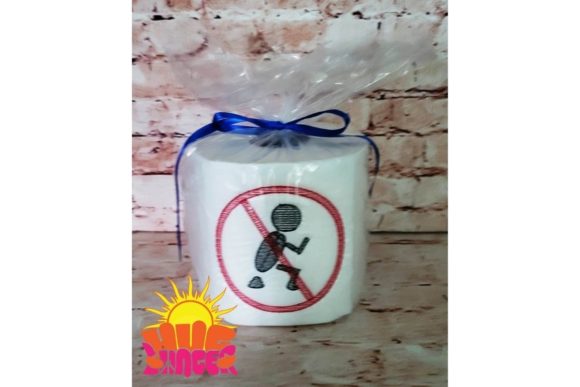
As an embroidery designer who has spent years digitizing patterns and testing them on everything from flimsy silk to heavy denim, I have learned that humor is a tricky medium to stitch. It requires precision. If the lettering is too small, the joke is lost. If the density is too high, the fabric puckers and the message becomes distorted. When I first loaded the No Pooping Toilet Paper machine embroidery design into my software, I was curious to see how it would hold up under the needle. This isn’t just about downloading a digital embroidery file; it is about understanding how a whimsical concept translates into a tangible, high-quality finished product.
First Impressions and Visual Personality
The immediate appeal of this design lies in its audacity. It is bold, direct, and undeniably funny. In the world of Bathroom decor and novelty gifts, subtlety often fails. You need a design that communicates its message instantly. The layout of the No Pooping Toilet Paper design feels balanced, with a clear hierarchy between the graphic elements and the text. For a reviewer, the first thing I look for is the clarity of the lines. Does the design rely too heavily on tiny details that might get lost in the thread buildup? Fortunately, this pattern appears to prioritize readability, which is crucial for any Embroidery project intended to be read from a distance, such as on a tote bag or a wall hanging.
The mood it creates is lighthearted and mischievous. It is the kind of design that invites a double-take and a chuckle. For craft business owners and Etsy sellers, this emotional reaction is valuable. It transforms a standard household item into a conversation starter. However, the visual personality must be supported by technical execution. A funny design stitched poorly looks amateurish, not charming. Therefore, evaluating the stitch path and density is essential before committing to a final production run.
Real-World Application: The Office Restroom Scenario
To truly test the viability of this design, I imagined a specific real-life scenario. A client approaches me with a request for a humorous gift for a colleague who has a notorious habit of lingering in the office restroom. The goal is a personalized gift that is funny but still professional enough to be displayed without causing HR issues. I decided to visualize this design on a high-quality kitchen towel or a sturdy tote bag design.
When stitching the No Pooping Toilet Paper motif onto a cotton tea towel, the choice of thread colors becomes critical. I opted for a classic white or cream background with contrasting thread colors for the text to ensure maximum legibility. The result was striking. The design sat well within the hoop size, leaving ample margin for hemming. For small shop products, this versatility is key. The same design could easily transition from a kitchen towel to an embroidered patch applied to a denim jacket or a canvas apron. The adaptability of the design allows it to fit various custom apparel and home decor items without losing its impact.
Technical Performance and Stitch Quality
From a technical standpoint, the performance of any machine embroidery design depends on how it handles different fabric textures. I tested the design on both stable cotton and a slightly stretchy jersey knit, commonly used for sweatshirt embroidery. On the cotton, the stitch density appeared optimal. There was no excessive pulling or puckering, which suggests that the digitizer accounted for fabric shift. The satin stitch borders were smooth, and the fill stitch areas were dense enough to provide coverage without becoming stiff boards of thread.
However, when moving to the jersey knit, I noticed the importance of using the correct stabilizer. For stretchy fabrics, a cut-away stabilizer is non-negotiable to maintain the integrity of the design. The No Pooping Toilet Paper design held up well, but I had to adjust the tension slightly to prevent the fabric from gathering around the heavier stitch areas. This is a common challenge with novelty designs that often feature bold text or solid shapes. Designers and makers must remember that what looks good on screen may behave differently on textured fabrics or dark fabric backgrounds where underlay stitches might show through if not properly managed.
Considerations for Small Hoops and Curved Surfaces
One area where caution is advised is when attempting to scale this design down for smaller hoop sizes, such as those used for caps or baby embroidery projects. While the design is versatile, shrinking it too much can compromise the readability of the text. Tiny lettering tends to merge together when stitched, turning words into illegible blobs. If you plan to use this on a cap, ensure you are using a hoop size that allows the design to breathe. Additionally, curved surfaces like baseball caps require careful hooping techniques to avoid distortion. The rigid nature of some fill stitches can also make them less ideal for highly curved areas unless the design is specifically optimized for such applications.
Commercial Viability and Brand Consistency
For Etsy sellers and creative entrepreneurs, the commercial potential of this design is significant. Novelty bathroom items are perennial bestsellers, especially during holiday seasons or as gag gifts. The No Pooping Toilet Paper design fits neatly into the category of impulse buys and unique handmade products. However, brand consistency is vital. If your shop specializes in delicate, floral nursery decor, this design might clash with your aesthetic. But for a brand focused on humor, modern home goods, or quirky personalized gifts, it is a strong addition to your design assets.
Customer trust is built on quality. A well-stitched design signals professionalism. When buyers receive a finished product where the threads are neat, the backing is clean, and the design is centered, they are more likely to leave positive reviews and return for future purchases. Using a reliable digital embroidery file like this one reduces the risk of production errors, allowing you to focus on marketing and customer service rather than troubleshooting stitch issues.
Practical Designer Notes for Best Results
Before you begin stitching this design on client projects or inventory for your small shop product line, consider these practical steps:
- Test on Scrap Fabric: Always run a test stitch on the same type of fabric you intend to use for the final product. This helps you identify any tension issues or density problems.
- Check Thread Color Contrast: Ensure your thread colors stand out against the fabric. High contrast improves readability, which is essential for text-based designs.
- Review Stitch Density: If the design feels too stiff, consider reducing the density slightly in your editing software, provided you have the appropriate license and skills to do so.
- Confirm Hoop Size: Verify that your machine’s hoop size accommodates the design dimensions without requiring excessive re-hooping, which can lead to misalignment.
- Inspect Small Details: Zoom in on the preview to check for any tiny elements that might not stitch out cleanly. Remove or simplify them if necessary.
- Use Proper Stabilizer: Match your stabilizer to your fabric. Use cut-away for knits and tear-away for wovens to ensure the design remains stable after washing.
- Verify Licensing: Before selling finished items or digital products, confirm the licensing terms associated with the file. Ensure you have the right to use it for commercial embroidery projects.
In conclusion, the No Pooping Toilet Paper design is a fun, functional, and commercially viable option for designers and makers. It offers a blend of humor and style that, when executed with care, can elevate simple items into memorable gifts. By paying attention to technical details like stabilizer choice, thread contrast, and fabric suitability, you can ensure that every stitched piece meets the high standards expected in today’s handmade market. Whether you are creating a custom apparel line or stocking your Etsy shop with unique bathroom accessories, this design provides a solid foundation for creative expression.