Olympic Horse Dressage: A Designer’s Review
As an embroidery designer who has spent years digitizing and reviewing files for commercial use, I approach every new machine embroidery design with a critical eye. It is not just about whether the image looks pretty on a screen; it is about how it translates to fabric, how it holds up in production, and ultimately, how it serves a small business owner’s brand. Today, I am reviewing Olympic Horse Dressage, a design that promises elegance and sporty sophistication. For boutique owners, apparel decorators, and handmade brands, understanding the practical application of this file is crucial before adding it to your product line.
First Impressions: Elegance Meets Athleticism
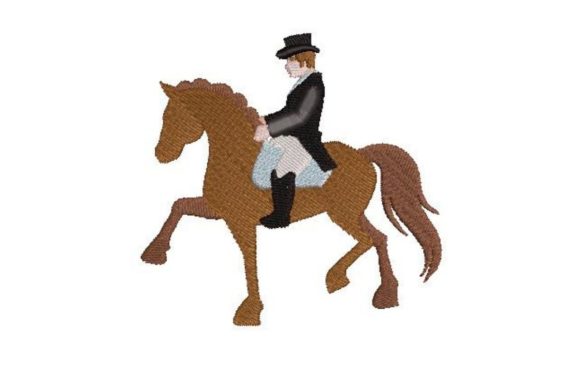
The title Olympic Horse Dressage immediately sets a tone of prestige. Dressage is often called the ballet of the equestrian world, requiring precision, grace, and harmony between horse and rider. When I first examined the description—"A beautiful design of a horse and its tamer"—I looked for visual cues that would reflect this high-end aesthetic. Does the design feel premium? Is it decorative enough to stand alone as a focal point?
From a branding perspective, this design leans heavily into the "classic" and "elegant" categories. It is not playful or rustic; it is refined. For a business targeting equestrian enthusiasts, luxury lifestyle buyers, or sports fans, this visual personality is a strong asset. It suggests quality and tradition. However, because it depicts a specific sport, its appeal is niche. This is not a generic floral pattern; it is a statement piece for those who identify with the discipline of Horses and competitive riding. The design must convey movement and poise to be effective, avoiding a static or clip-art appearance that can cheapen the perceived value of the finished product.
Real-World Applications for Small Business Merch
For small business owners, the versatility of an embroidery file determines its ROI. I evaluated Olympic Horse Dressage across several common merchandise categories to see where it shines.
- Embroidered Patches: This is perhaps the strongest use case. A well-digitized dressage scene makes for a compelling iron-on or sew-on patch. Equestrian clubs, riding schools, and local competitions often seek custom patches for member jackets or bags. The design’s potential for detailed shading can create a premium look that justifies a higher price point.
- Custom Apparel and Uniforms: Imagine a high-end tack shop or a boutique riding academy. Using this design on polo shirts or crewnecks creates immediate brand identity. It signals professionalism. However, placement is key. A chest logo accent works well, but a full-back design requires careful scaling to ensure the horse and rider remain recognizable without becoming a blob of thread.
- Cap Embroidery: Caps are tricky due to the curved surface and limited space. If the design includes fine details in the horse’s mane or the rider’s attire, it may lose definition on a structured cap front. I recommend using a simplified version or ensuring the digitizer has optimized the stitch density for small, curved areas.
- Tote Bag Design and Aprons: For lifestyle brands, placing this design on canvas tote bags or heavy-duty aprons adds a touch of artisanal charm. It appeals to customers who value handmade product aesthetics. The contrast of elegant embroidery against rugged canvas or denim creates a visually interesting texture that enhances customer engagement.
Navigating Technical Challenges in Production
While the concept is beautiful, the execution requires technical diligence. As a designer, I always warn clients about the pitfalls of complex imagery in commercial embroidery. Here is where you need to exercise caution with Olympic Horse Dressage.
First, consider stitch density. A design featuring a horse and rider likely involves varied textures—smooth coats, flowing manes, and fabric folds. If the density is too high, the fabric may pucker, especially on lighter materials like performance polos. If it is too low, the underlying fabric might show through, ruining the crispness of the image. Always test on the actual fabric you intend to use.
Second, watch out for tiny lettering or intricate outlines. If the design includes text (such as "Dressage" or a team name), ensure it is legible at smaller sizes. Fine lines can break during washing or wear. For items that undergo frequent laundering, such as staff uniforms or active wear, durability is paramount. I advise running wash tests on your prototypes to check for thread breakage or color bleeding.
Third, thread colors play a massive role in recognition. A monochromatic design might look sophisticated, but a multi-color design needs precise registration. If the horse and rider blend into each other due to poor color contrast, the design loses its impact. Use high-contrast thread combinations to define the silhouette clearly.
Enhancing Brand Identity and Customer Trust
Why choose Olympic Horse Dressage over a simpler icon? Because it tells a story. In the crowded marketplace of small business merch, storytelling drives sales. This design communicates passion, discipline, and love for the sport. When customers see this level of detail on a product, they perceive higher value. It elevates a simple t-shirt or bag into a collector’s item for equestrian fans.
Consistency is also vital. If your brand uses this design, ensure it aligns with your other design assets. Does it match your logo’s style? Is it used consistently across your packaging and social media? A cohesive visual language builds trust. Using a high-quality printable mockup can help you visualize this consistency before committing to production runs.
Practical Designer Notes for Best Results
Before you load this digital embroidery file into your machine, follow these steps to ensure professional results:
- Check the Specs: The description mentions "multiple emb," which likely refers to multiple formats or sizes. Verify the hoop size compatibility with your machine. Do not assume the file fits your standard 4x4 hoop without checking dimensions.
- Test in Black and White: Before stitching in color, stitch out the design in black thread on white fabric. This reveals the structure and density issues without the distraction of color. It helps you identify if the shape is clear and balanced.
- Use Proper Stabilizer: Given the potential complexity, use a cut-away stabilizer for stretchy fabrics and a tear-away for stable woven fabrics. This prevents distortion and ensures the design lays flat.
- Confirm Licensing: Always verify the commercial license terms. Ensure you have the right to use the design on products for sale. Never assume; read the terms provided with the file.
- Create a Mockup: Use digital tools to place the design on various products. Show these mockups to potential clients or use them in your Etsy listings to gauge interest before producing inventory.
In conclusion, Olympic Horse Dressage offers a sophisticated option for businesses targeting the equestrian market. Its success lies in careful technical execution and strategic placement. By respecting the nuances of fabric texture, stitch density, and brand alignment, you can transform this design into a profitable asset for your custom apparel or accessory line. Whether used for a subtle sleeve detail or a bold back panel, it has the potential to resonate deeply with fans of the sport, adding a layer of professionalism and passion to your merchandise.