Reviewing the Peanut Allergy Warning Embroidery Design
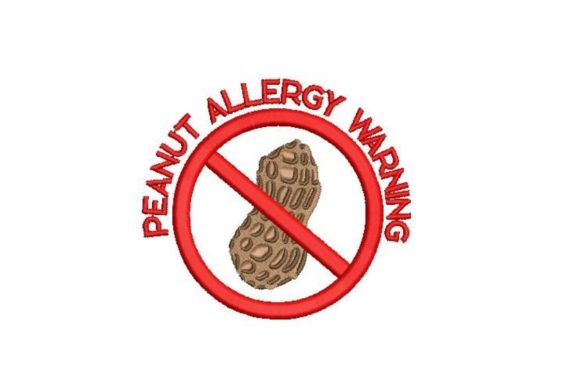
As a designer who has spent years digitizing and testing machine embroidery patterns, I approach every new file with a mix of curiosity and caution. When I first loaded the Peanut Allergy Warning design into my software, my immediate thought was not about the aesthetics alone, but about its function. This is not merely decorative; it is a critical piece of communication for safety. The design falls squarely into the Awareness category, yet it must perform flawlessly as a practical Embroidery asset for real-world use.
First Impressions and Visual Personality
The initial layout of this machine embroidery design strikes a balance between urgency and clarity. For those of us who create handmade products, we know that warning labels often look industrial or sterile. However, this design manages to feel approachable while maintaining high visibility. The shape and theme are instantly recognizable, which is vital when you are creating a personalized gift or a custom apparel item for a child or adult with severe allergies.
The detail level appears sufficient for standard home machines without being overly dense. In my experience, designs that are too intricate can lose definition on textured fabrics, while those that are too simple may lack professional polish. This pattern seems to hit a sweet spot, using clean lines that should translate well into stitch work. The visual personality suggests reliability, which helps build customer trust—a key factor for any Etsy seller or small shop owner.
Real-World Application: The Custom Tote Bag Test
To truly evaluate this design, I imagined a specific scenario: a mother ordering a custom embroidered tote bag for her child’s school lunches. She needs a solution that is durable, washable, and impossible to miss. Using the Peanut Allergy Warning design on a canvas tote bag is an ideal application. The flat surface of the bag allows for optimal hoop size utilization, ensuring the text and symbols remain legible.
In this context, the design serves as both a functional alert and a stylish accessory. When stitched correctly, it elevates the perceived value of the finished product. It transforms a simple bag into a specialized tool for safety. For craft business owners, offering this as part of a back-to-school bundle could significantly boost buyer engagement. It shows that you understand your customers' deeper needs beyond just aesthetics.
Performance Across Different Products
Beyond tote bags, this embroidery file offers versatility across various substrates. Consider sweatshirt embroidery on a hooded jacket. Here, the design must contend with thicker fabric and potential pile interference. A proper stabilizer is non-negotiable in this case to prevent puckering and ensure the satin stitch or fill stitch elements lay flat.
For baby embroidery projects, such as a bib or a onesie, the scale becomes critical. You must check whether the design works for smaller hoop sizes. If the lettering is too tiny, it may become illegible after washing. I recommend testing the design on scrap fabric first, specifically using the same material you intend to sell. This step is crucial for maintaining professionalism and avoiding costly mistakes in your small shop product line.
Another excellent use case is the embroidered patch. Patches allow for pre-production quality control. You can stitch the Peanut Allergy Warning onto twill or felt, trim it, and then attach it to caps, hats, or backpacks. This method is particularly useful for curved surfaces like caps, where direct embroidery can be challenging due to the instability of the fabric during stitching.
Navigating Fabric and Stitch Challenges
While the design is robust, there are areas where careful attention is required. Textured fabrics, such as terry cloth towels or fuzzy fleece blankets, can obscure fine details. If you are using this for holiday embroidery on kitchen towels, ensure that the thread colors contrast sharply with the fabric texture. A dark thread on a dark, textured background will fail to communicate the warning effectively.
Stretchy fabrics present another hurdle. If you are applying this to athletic wear or stretchy baby clothes, the stitch density must be appropriate. Too much density can cause the fabric to pucker or tear over time. Always review the stitch count and density settings in your software before hitting start. If the design relies heavily on dense fill stitches, consider adding a cut-away stabilizer for long-term durability.
Dark fabrics require strategic thread color choices. While white or yellow threads offer high visibility, they may show dirt more easily on items that undergo frequent washing. Test different thread colors to find a balance between visibility and practicality. Remember, the goal is clear recognition without compromising the longevity of the handmade product.
Enhancing Brand Consistency and Trust
For digital product sellers and creative entrepreneurs, the way you present this design matters. Use printable mockups to show how the Peanut Allergy Warning looks on various items. Display it on a neutral background to highlight the stitch clarity. This helps potential buyers visualize the final result, increasing confidence in their purchase.
When selling commercial embroidery assets, transparency is key. Clearly state that this design is intended for awareness and safety. This positions your brand as responsible and attentive to detail. Buyers are more likely to engage with sellers who demonstrate an understanding of the serious nature of allergy warnings. It adds a layer of professionalism that generic designs often lack.
Practical Designer Notes
- Test on Scrap Fabric: Always run a test stitch on the actual fabric type to check for registration issues or puckering.
- Check Thread Contrast: Ensure the thread colors stand out against the fabric background for maximum readability.
- Review Stitch Density: Adjust density if necessary to suit thin or stretchy materials, preventing distortion.
- Confirm Hoop Size: Verify that the design fits within your available hoop sizes, especially for smaller items like baby clothes.
- Inspect Small Details: Zoom in on the digital file to ensure no tiny elements will get lost in the stitching process.
- Use Proper Stabilizer: Match the stabilizer type to the fabric weight and stretch characteristics.
- Verify Licensing: Before selling finished items or digital products, confirm the license terms provided with the embroidery file.
The description notes that this machine embroidery design comes with multiple embroidery file formats and can be used with multiple embroidery machines. This is a significant advantage for designers who work with various brands of equipment. However, since exact stitch counts and specific format lists are not detailed here, I advise checking the included files to ensure compatibility with your specific machine model.
Final Verdict for Crafters and Sellers
The Peanut Allergy Warning design is a valuable addition to any designer’s library. It bridges the gap between functional safety gear and stylish custom apparel. Whether you are creating a boutique product for a local fair or listing digital embroidery files for other makers, this design offers clarity and professionalism. By paying attention to fabric choice, stabilizer use, and thread contrast, you can produce a finished product that not only looks good but serves a vital purpose. For the conscientious Etsy seller or hobbyist, this is a design that respects both the craft and the customer’s needs.