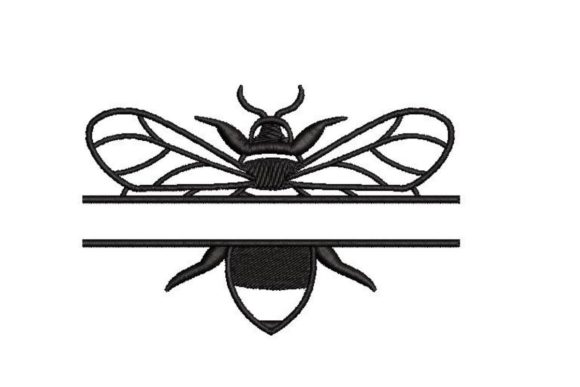
Split Cut Bee: A Designer’s Review for Branded Merch
As an embroidery designer who has spent years digitizing and reviewing files for commercial use, I approach every new machine embroidery design with a critical eye. It is not enough for a motif to look cute on a screen; it must perform under the needle, withstand washing, and elevate the brand it represents. Recently, I evaluated Split Cut Bee, a design categorized under Bugs, specifically to determine its viability for small business merchandise and branded patch applications. My goal was to see if this embroidery file could transition from a digital asset to a tangible tool for brand building.
First Impressions: Professionalism Meets Playfulness
The first thing that strikes you about Split Cut Bee is its balance. The description notes it is a "very well digitized design and easy to embroider," and in my initial visual inspection, this claim holds weight. The design does not feel overly complex or cluttered, which is often a pitfall for insect-themed motifs. Instead, it carries a tone that is both friendly and professional. It avoids the chaotic detail that can plague bug designs, opting for cleaner lines that suggest a modern, handmade aesthetic.
For small business owners, this visual personality is crucial. A design that is too whimsical might undermine a premium brand, while one that is too rigid can feel cold. Split Cut Bee sits comfortably in the middle, offering an original touch that feels approachable yet polished. This makes it versatile for a wide range of industries, from local bakeries and florists to creative studios and pet brands. The "split cut" aspect likely refers to a stylistic choice in the digitizing that reduces stitch count while maintaining shape integrity, a feature that experienced decorators appreciate for production efficiency.
Real-World Applications for Small Business Merch
When considering how to integrate this design into a product line, I immediately looked at its potential for custom apparel and accessories. The versatility of Split Cut Bee allows it to function effectively in several key areas of small business merch.
- Embroidered Patches: This is perhaps the strongest use case. The design’s structure suggests it would hold up well as a standalone patch. Patches are low-risk, high-reward items for boutiques and cafes, allowing customers to buy into the brand without committing to a full garment. The clean digitizing ensures the edges will be crisp, preventing the fraying that often plagues poorly digitized insect shapes.
- Staff Uniforms and Aprons: For hospitality businesses like cafes or bakeries, apron embroidery adds a layer of professionalism. Placing Split Cut Bee on the chest pocket or upper left chest of an apron creates a subtle brand marker. It signals attention to detail and reinforces brand identity without being overpowering.
- Cap Embroidery: Caps are a staple of streetwear and casual branding. However, the curved surface of a cap front requires a design with moderate density. Since this file is described as easy to embroider, it likely avoids excessive pull on the fabric, making it a strong candidate for headwear, provided the size is adjusted correctly.
- Tote Bag Design: Canvas totes are popular for eco-friendly brands and markets. The contrast of the bee against natural canvas or dark cotton can create a striking visual. As a tote bag design, it serves as a walking advertisement, increasing brand recognition in public spaces.
Navigating Technical Challenges in Production
While the design is marketed as easy to use, no digital embroidery file is immune to the physics of thread and fabric. In my review, I identified specific areas where caution is necessary to ensure a high-quality finished product.
Stitch Density and Fabric Texture: Even with good digitizing, stitch density must be matched to the material. On textured fabrics like terry cloth or heavy canvas, the finer details of the bee might get lost if the stitches are too sparse. Conversely, on lightweight performance fabrics, high density can cause puckering. I recommend testing the design on the exact fabric stock you intend to use for production.
Small Patch Sizes: If you plan to use Split Cut Bee for tiny labels or small patches, you must verify the minimum viable size. Intricate outlines can merge when scaled down too far. Always create a printable mockup at actual size to check for legibility before running a production batch.
Thread Color Contrast: The impact of this design relies heavily on color choice. On dark uniforms, a standard yellow and black palette might lack definition if the black threads blend into the fabric. Consider using metallic or high-contrast thread colors to make the bee pop. Testing different thread colors is essential to maintain visual consistency across different product lines.
Enhancing Brand Identity and Customer Trust
Beyond the technical aspects, the strategic value of Split Cut Bee lies in its ability to enhance brand identity. In the crowded marketplace of Etsy sellers and handmade brands, distinct visual assets are currency. A well-executed embroidered logo or motif signals quality. It tells the customer that the brand cares about the details.
Using this design on customer gifts or event merch can foster deeper engagement. When a customer receives a tote bag or cap with a cleanly embroidered bee, the tactile experience of the stitching adds perceived value. It transforms a simple item into a keepsake. This emotional connection drives repeat business and word-of-mouth marketing. Furthermore, consistent use of such design assets across various touchpoints—from packaging accents to staff uniforms—creates a cohesive brand narrative that builds trust.
Practical Notes for the Embroidery Professional
Before integrating Split Cut Bee into your commercial workflow, I advise following a strict validation process. First, confirm the available formats. The description states it comes with multiple embroidery file formats, but you must ensure compatibility with your specific machine software. Second, check the license terms. While many files allow for commercial use, verifying this explicitly is non-negotiable for commercial embroidery projects.
- Test Stitch-Outs: Always run a test on scrap fabric similar to your production material. Check for thread breaks, nesting, or registration issues.
- Stabilizer Selection: Choose the right stabilizer based on the fabric. Cut-away stabilizers are generally safer for items that will undergo frequent washing, such as uniforms and tote bags.
- Hoop Size Verification: Confirm the required hoop size fits your machine’s capabilities. If the design is large, you may need a multi-position hoop or a larger frame.
- Client Approval: If creating custom work for clients, present a physical sample or a high-resolution photo of the stitched design. Digital previews rarely capture the texture and sheen of the final embroidery.
In conclusion, Split Cut Bee presents itself as a robust option for designers looking to add character to their handmade product lines. Its ease of embroidery and versatile aesthetic make it suitable for a broad spectrum of applications, from patches to apparel. By paying attention to technical details like density, stabilizer, and color contrast, small business owners can leverage this design to create professional, high-value merchandise that resonates with customers. It is a solid addition to any library of Embroidery assets focused on quality and brand coherence.